Building credit can feel like a catch-22. You need credit history to get a good card, but you need a card to build that history. If you’ve ever found yourself staring at a credit application, wondering if you’ll get approved or how much it’s going to cost you in hidden fees, you aren’t alone.
That’s usually where options like secured cards or credit-builder loans come into play. But recently, the Perpay Credit Card has been making waves as a different kind of solution. It’s not your traditional credit card, and it operates on a model that ties directly into your paycheck.
Having looked closely at the landscape of credit-building tools, I wanted to break down exactly what this card is, how the “payroll direct deposit” mechanism works in real life, and whether it’s actually a smart move for your financial health.
What Is the Perpay Credit Card?
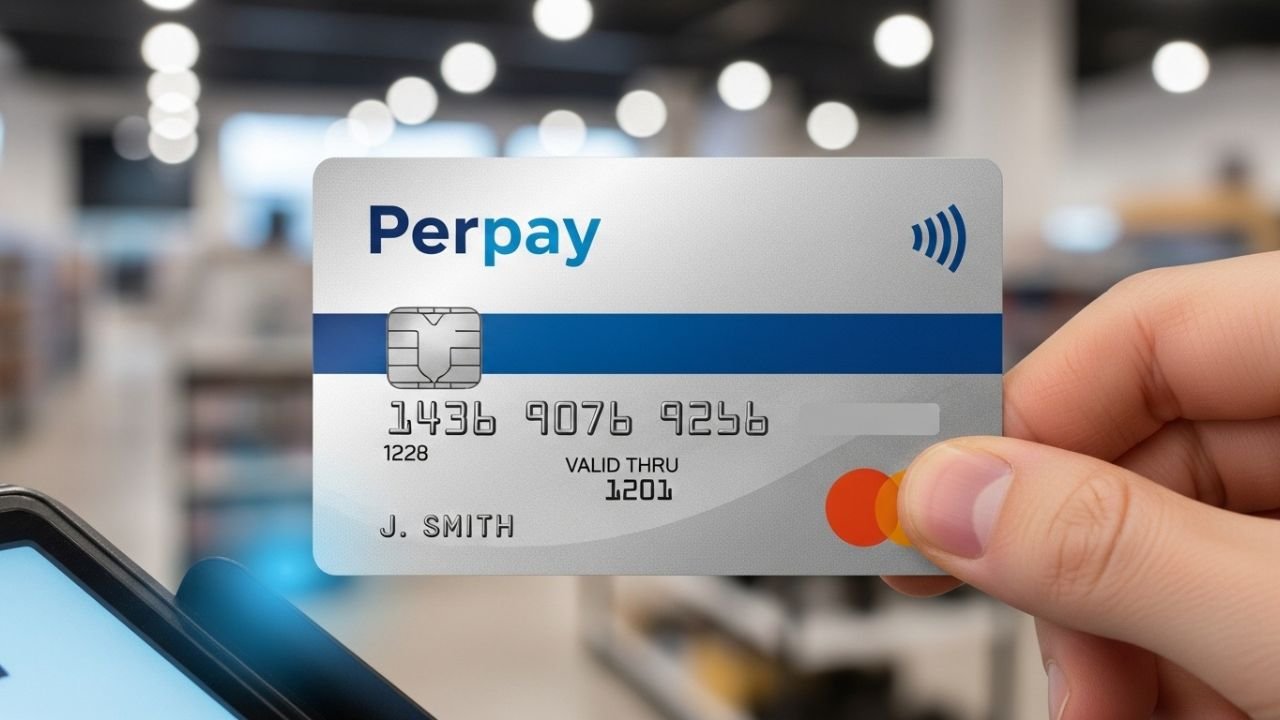
At its core, the Perpay Credit Card is an unsecured Mastercard designed specifically for people looking to build or repair their credit.
The word “unsecured” is important here. Unlike a secured credit card, which requires you to put down a cash deposit (often $200 to $500) to “secure” your credit line, Perpay doesn’t ask for a deposit. instead, they look at your income and employment stability.
Here is the quick snapshot of what it offers:
- Unsecured Credit Line: You don’t tie up your own cash as collateral.
- Starting Limits: Qualified applicants can access a starting limit of up to $1,500.
- Rewards: You earn 2% back on payments (more on this later).
- Accessibility: There is no hard credit check to apply, meaning your score won’t take a hit just for seeing if you qualify.
It’s positioned as a stepping stone. It’s not a premium travel rewards card you’d use for lounge access; it’s a tool designed to prove to credit bureaus that you can handle credit responsibly.
How the Perpay Credit Card Works
This is where Perpay diverges from almost every other card in your wallet. The mechanism for paying your bill isn’t just “log in and pay.” It’s automated through your payroll.
Step-by-Step Guide
- The Application: You apply online. Since they don’t do a hard pull on your credit report, the approval decision is usually instant. They are more interested in your income verification than your FICO score.
- Connecting Payroll: This is the non-negotiable part. To use the card, you generally must set up a direct deposit from your paycheck. This acts as their security—knowing the money is coming directly from your employer before it hits your checking account.
- Receiving the Card: Once the payroll connection is verified and funds start flowing, you receive the physical card.
- Using the Card: You swipe it like any standard Mastercard for groceries, gas, or bills.
- Building Credit: Because your payments are automated from your paycheck, you theoretically never miss a due date. Perpay reports these on-time payments to the major credit bureaus.
The Logic Behind Automatic Payments
For many people, the biggest barrier to a good credit score is simply forgetting a payment or spending money they intended to use for bills. Perpay solves this behaviorally.
By splitting your credit card payment into small chunks taken out of every paycheck (weekly, bi-weekly, etc.), you are essentially “paying yourself first.” The money for your bill never hits your main checking account, removing the temptation to spend it elsewhere. It creates a forced discipline that can be very helpful if budgeting isn’t your strong suit.
Benefits of the Perpay Credit Card
Why would someone choose this over a standard secured card from a big bank? There are three main drivers.
Build Credit Easily
The primary value proposition here is credit reporting. Perpay reports to all three major credit bureaus: Experian, Equifax, and TransUnion.
This is crucial because lenders look at all three when you apply for a mortgage or auto loan. If a card only reports to one, it’s only doing one-third of the job. By automating the payments, you are essentially automating the “Payment History” portion of your credit score, which makes up 35% of your FICO score.
Earn Rewards
It is rare for credit-building cards to offer rewards. Usually, you are just happy to have the credit line. Perpay offers 2% rewards on eligible payments.
However, there is a caveat: These rewards are generally redeemed as credits toward the Perpay Marketplace. You likely won’t be taking this cash back as a statement credit or depositing it into a savings account. It’s designed to be used within their ecosystem.
Transparent Fee Structure
Predatory fees are the bane of the subprime credit world. Many “fee-harvester” cards charge application fees, monthly maintenance fees, and annual fees that can total over $150 a year just to hold the plastic.
Perpay charges a simple monthly fee (around $9/month currently). While nobody likes paying fees, knowing exactly what it costs without surprise “processing charges” is a breath of fresh air in this specific market sector.
Who Should Use the Perpay Credit Card?
This card isn’t for everyone. If you have a credit score of 750 and a stable history, you can find cards with no annual fees and better cash-back flexibility.
However, this card is a strong contender if:
- You have a thin credit file: You haven’t borrowed much before and need to establish a track record.
- You are rebuilding: You have past derogatory marks (missed payments, collections) and can’t get approved for traditional unsecured cards.
- You struggle with budgeting: If you constantly forget due dates, the payroll deduction feature is a safety net.
- You don’t have savings for a deposit: If you can’t spare $200-$500 to lock away for a secured card deposit, Perpay’s unsecured nature is a major advantage.
How to Apply for the Perpay Credit Card
Eligibility Requirements
Since credit score isn’t the primary barrier, the requirements shift to income stability. You typically need:
- Verifiable employment.
- The ability to set up direct deposit (some gig economy setups or inconsistent freelance income might be tricky here).
- Residency in an eligible state (restrictions can apply, for example, residents of New Hampshire have historically faced restrictions with Perpay products).
The Application Process
The process is digital and fast. You create a profile on the Perpay website, verify your identity, and link your payroll provider. The system analyzes your income to determine your “spending power” or credit limit.
Once approved, the critical step is logging into your employer’s payroll portal (like ADP or Paychex) to set up the direct deposit allotment.
Real User Experiences
When looking at user feedback across forums and review sites, the sentiment is generally positive but realistic.
The Good
Users frequently report seeing their credit scores jump significantly within 3-6 months. The “set it and forget it” nature of the payments is the most praised feature. People enjoy the peace of mind knowing their credit utilization and payment history are being managed automatically.
The Concerns
The monthly fee is a common sticking point. While $9 isn’t huge, it adds up to over $100 a year. Some users also note confusion regarding the rewards program, realizing later that the 2% back is for the Perpay Marketplace, not cash in hand.
Tips for Maximizing the Perpay Credit Card
If you decide to move forward with this card, treat it as a tool, not free money.
- Use Automatic Payments: Don’t try to manually pay if you can avoid it. Let the direct deposit system work. It ensures you never get hit with a late fee.
- Monitor Your Utilization: Even though you have a $1,000 limit, try not to max it out. Keeping your balance low (under 30% of your limit) helps your credit score grow faster.
- Redeem Rewards Strategically: Since rewards are for the Marketplace, save them for things you actually need, rather than splurging on overpriced electronics just to use the points.
- Have an Exit Strategy: Once your credit score improves significantly (usually after 12-18 months), you might qualify for a no-annual-fee card with better cash rewards. At that point, evaluate if the monthly fee is still worth it for you.
FAQs About the Perpay Credit Card
Does applying for the Perpay Credit Card affect my credit score?
No, applying generally involves a soft inquiry, which does not impact your credit score. However, once you open the account, the new account age and payment history will affect your score (usually positively, if managed well).
Can I increase my credit limit?
Yes. Perpay reviews accounts periodically. Consistent on-time payments via direct deposit are the best way to trigger a credit limit increase.
What happens if I change jobs?
If you change jobs, your direct deposit will stop, which disrupts your payments. You need to update your employment information with Perpay immediately and set up a new direct deposit with your new employer to avoid missed payments.
Is the Perpay Credit Card a secured card?
No, it is an unsecured card. You do not need to provide a cash security deposit to open the account.
How do I redeem my 2% rewards?
Rewards are credited to your Perpay profile and can be used to purchase items through the Perpay Marketplace, which features brands like Apple, Samsung, and KitchenAid.
Final Thoughts
The Perpay Credit Card occupies a unique niche in the financial world. It bridges the gap between predatory payday lending and high-tier prime credit cards. By leveraging your paycheck as security rather than a cash deposit, it opens doors for people who might otherwise be shut out of the credit system.
Is it perfect? No. The monthly fee is a cost you have to factor in, and the rewards system is restrictive compared to standard cash-back cards. But for someone focused strictly on building credit history without the hurdle of a security deposit, it offers a structured, disciplined path to a better financial reputation.
As with any financial product, the key is to use it as a stepping stone. Build your score, prove your reliability, and eventually graduate to products that pay you to use them.